The cost of sustaining AMR surveillance systems in human health: Case Study from Zambia
A new report by the Fleming Fund examines the facilitators, barriers, and sustainability challenges associated with antimicrobial resistance (AMR) surveillance systems in Zambia’s human health sector.
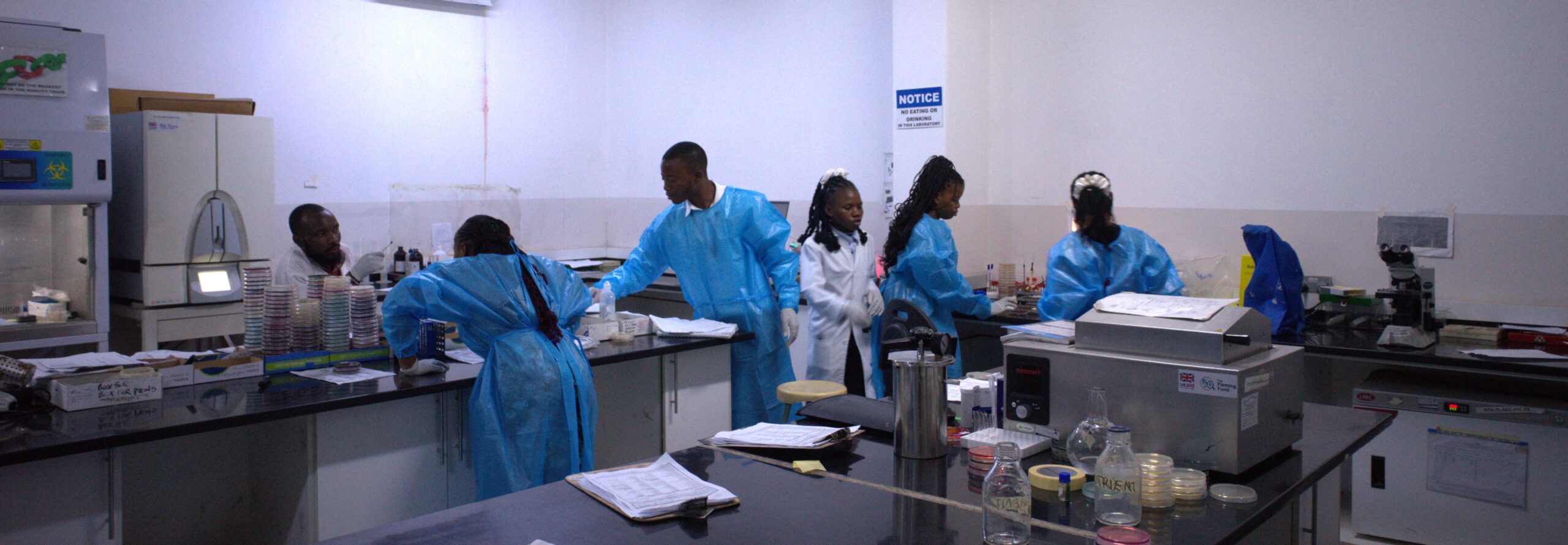
Drawing on national analysis and a case study of Livingstone Teaching Hospital in Zambia, the publication explores how the Fleming Fund investments strengthened laboratory capacity, antimicrobial stewardship, and the routine use of data in clinical decision-making.
The findings show that targeted investments can rapidly establish functional surveillance systems, improving laboratory performance, sample throughput, and prescribing practices. More mature and higher throughput laboratories also demonstrated greater efficiency, with lower costs per sample.
Recommended browser for PDF, Chrome or Firefox
However, sustaining these gains remains a major challenge. Recurrent costs, particularly consumables and equipment maintenance, remain highly donor dependent, while procurement failures, stock outs, staff turnover, uneven clinical engagement, and reliance on individual champions continue to limit system resilience.
The report concludes that the long term value of AMR surveillance depends on embedding diagnostics, stewardship, procurement, and data use within routine, trusted, and domestically financed health system functions. It sets out practical recommendations on strengthening financing, institutionalising stewardship, improving procurement systems, and consolidating progress beyond donor support.
The cost of sustaining AMR surveillance systems in human health: Case Study from Zambia
View pdf The cost of sustaining AMR surveillance systems in human health: Case Study from Zambia (2.48 MB)The cost of sustaining AMR surveillance systems in human health: Case Study from Zambia ─ Appendices
View pdf The cost of sustaining AMR surveillance systems in human health: Case Study from Zambia ─ Appendices (415.13 KB))More Like This
The Fleming Fund’s Regional Grants programme has been instrumental in tackling antimicrobial resistance (AMR) and addressing the acute impact in low- and middle-income countries (LMICs) where surveillance systems, laboratory capacity, and skilled workforces have historically been limited.
Studies & Reports
From Studies & Reports, Sustaining AMR surveillance beyond the Fleming Fund , Date: 02/12/2025
This report provides analysis and lessons from implementing the Fleming Fund, drawn from a series of country case studies, to support continuation of AMR surveillance after the programme closes.