Value of surveillance: Fleming Fund Change Story
The Fleming Fund was created in 2015-16 to strengthen national AMR surveillance systems in low- and middle-income countries (LMICs) and supported 23 countries during its first phase of implementation from 2018 to 2022.
Building on the Global Action Plan on AMR, the programme strengthened laboratory systems, trained the health workforce, and promoted a One Health approach in national AMR leadership and governance structures.
Analysis of programme data reveals a transformative change story across more than 250 laboratories in human, animal health and environmental sectors. This report documents the rationale and need for AMR surveillance in LMICs. The required changes for the establishment and strengthening of national AMR surveillance systems; and what changes occurred over the period 2018-2022 in Fleming Fund-supported surveillance sites.
Read full Change Story, below.
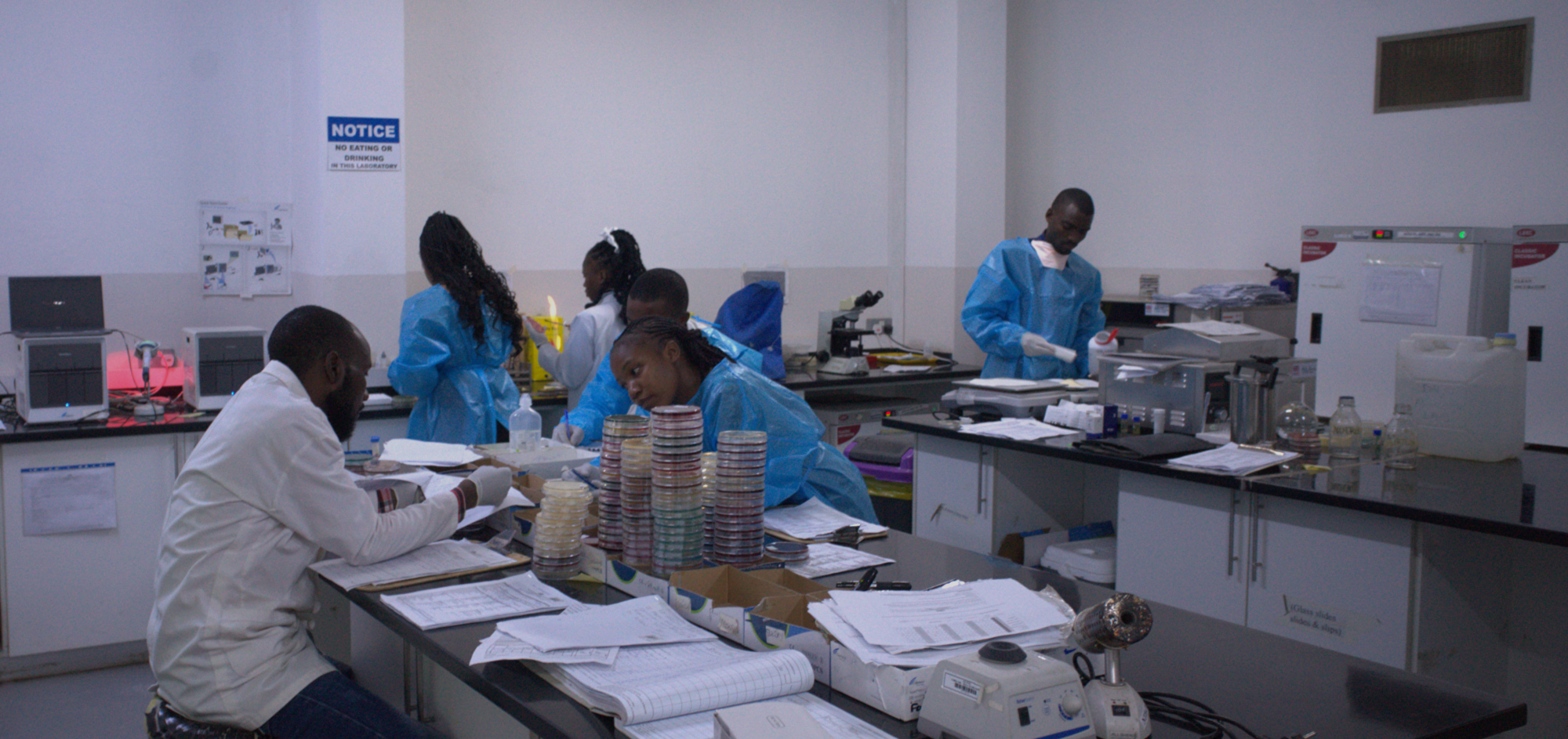
Summary ─ A Change Story: The Fleming Fund strengthening AMR surveillance systems in low- and middle-income countries (2018–2022):
View pdf Summary ─ A Change Story: The Fleming Fund strengthening AMR surveillance systems in low- and middle-income countries (2018–2022): (1.36 MB)Full report ─ A Change Story: The Fleming Fund strengthening AMR surveillance systems in low- and middle-income countries (2018–2022)
View pdf Full report ─ A Change Story: The Fleming Fund strengthening AMR surveillance systems in low- and middle-income countries (2018–2022) (3.32 MB))More Like This
Events
From Events, Act Now: 'Protect Our Present, Secure Our Future' – WAAW 2025 , Date: 18/11/2025
To mark this year’s World Antimicrobial Awareness Week (WAAW) theme, we ask some of our partners what the Fleming Fund has meant to them.
A plaque on the side of the Saint Mary’s Hospital in Paddington, London, UK, commemorates the discovery of penicillin, the first antibiotic, in 1928. Fungal spores, blown by the wind, landed on Sir Alexander Fleming's Petri dishes killing the bacteria he was growing leading to a revolution in medicine.